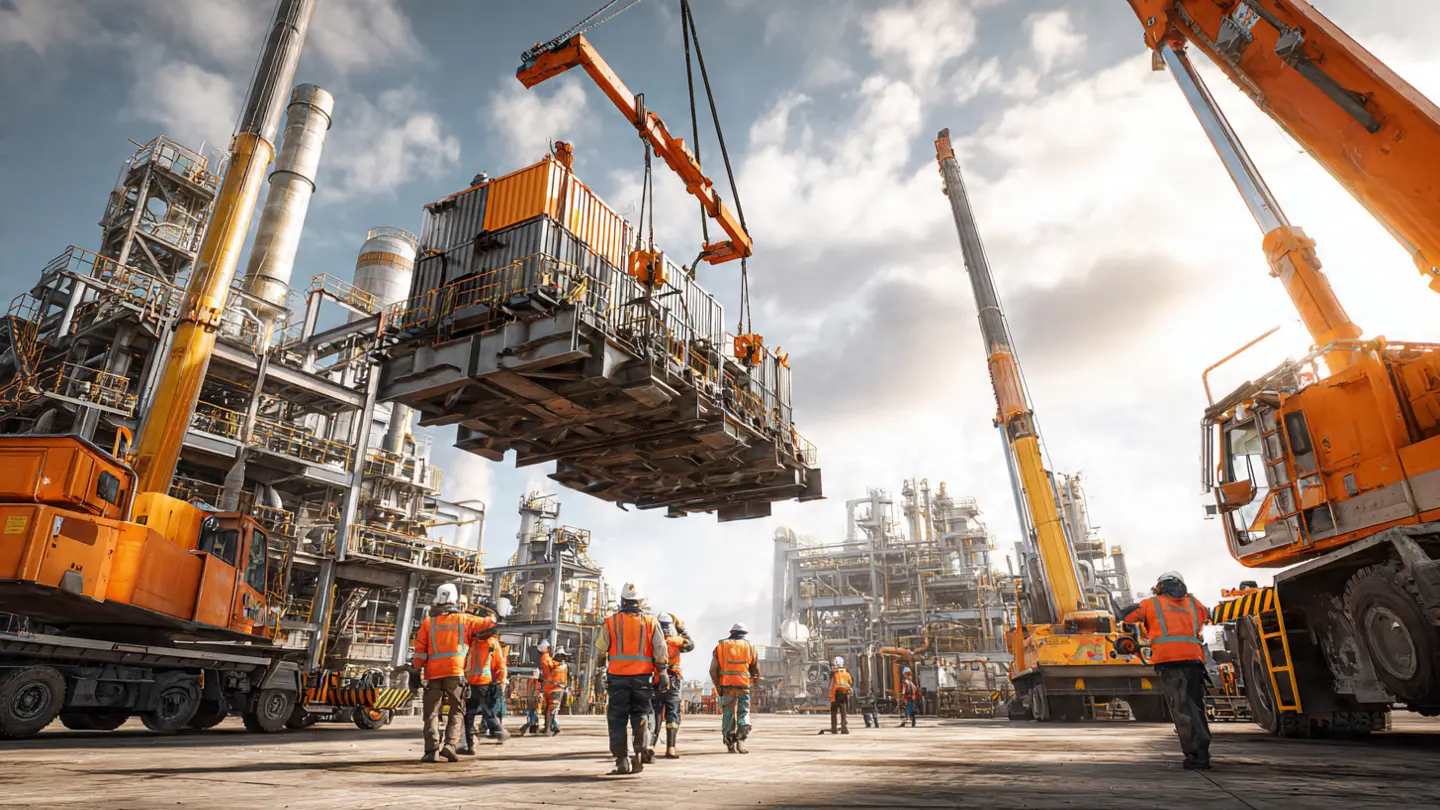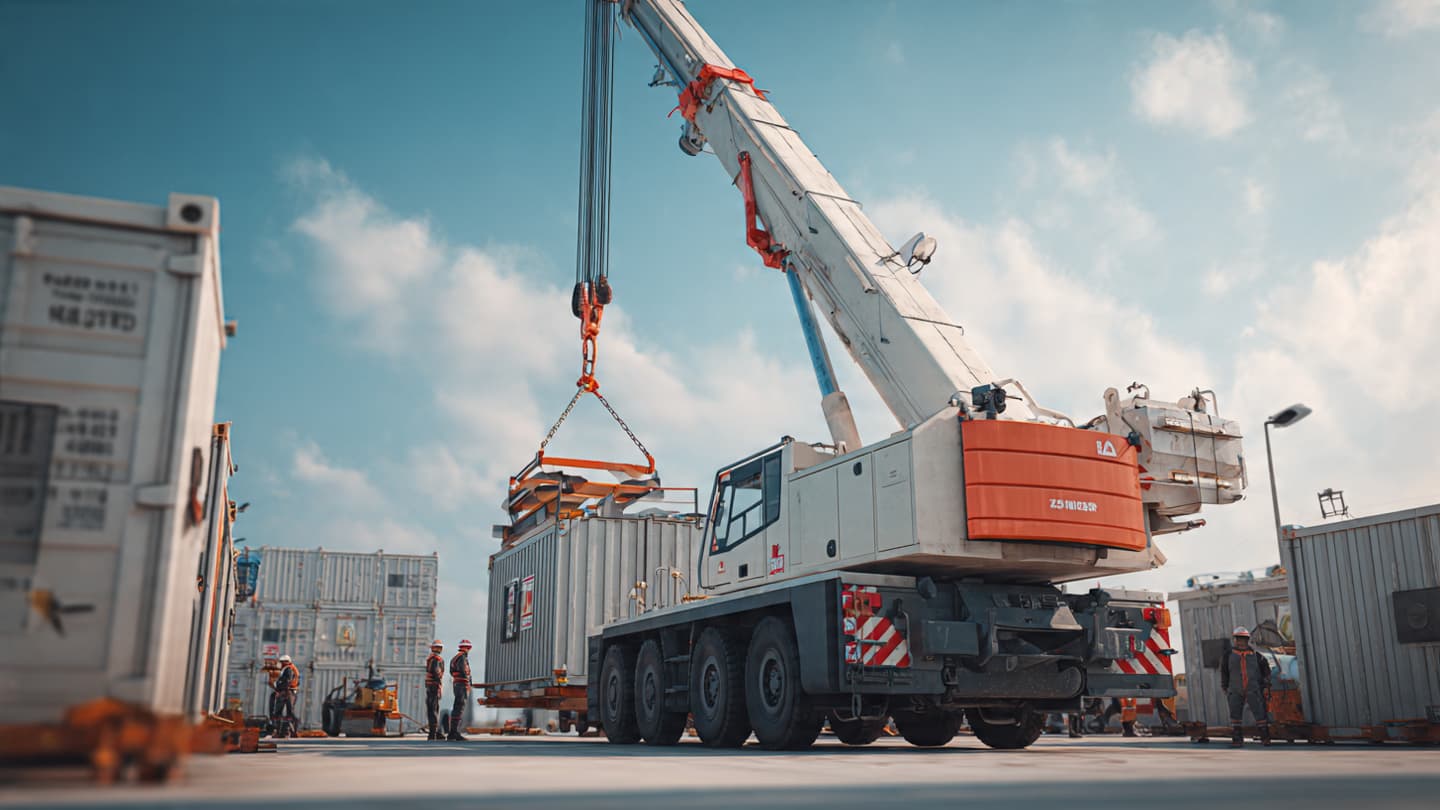
Safety is the foundation of every successful heavy lifting operation, especially in Nigeria’s demanding oil and gas sector. At Mass Crane Limited, we’ve witnessed firsthand how proper planning and adherence to safety protocols can make the difference between a smooth operation and a costly incident. Here are five critical safety considerations that should guide every heavy lift project.
1. Comprehensive Pre-Lift Planning and Risk Assessment
Before any crane arrives on site, thorough planning must take place. This isn’t just about calculating weights and selecting equipment—it’s about understanding every variable that could impact the lift’s safety and success.
A proper risk assessment examines ground conditions, weather patterns, proximity to power lines and other obstacles, personnel requirements and competency levels, and emergency response procedures. Too often, projects rush this phase to meet tight schedules, but the time invested in planning pays dividends in safety and efficiency.
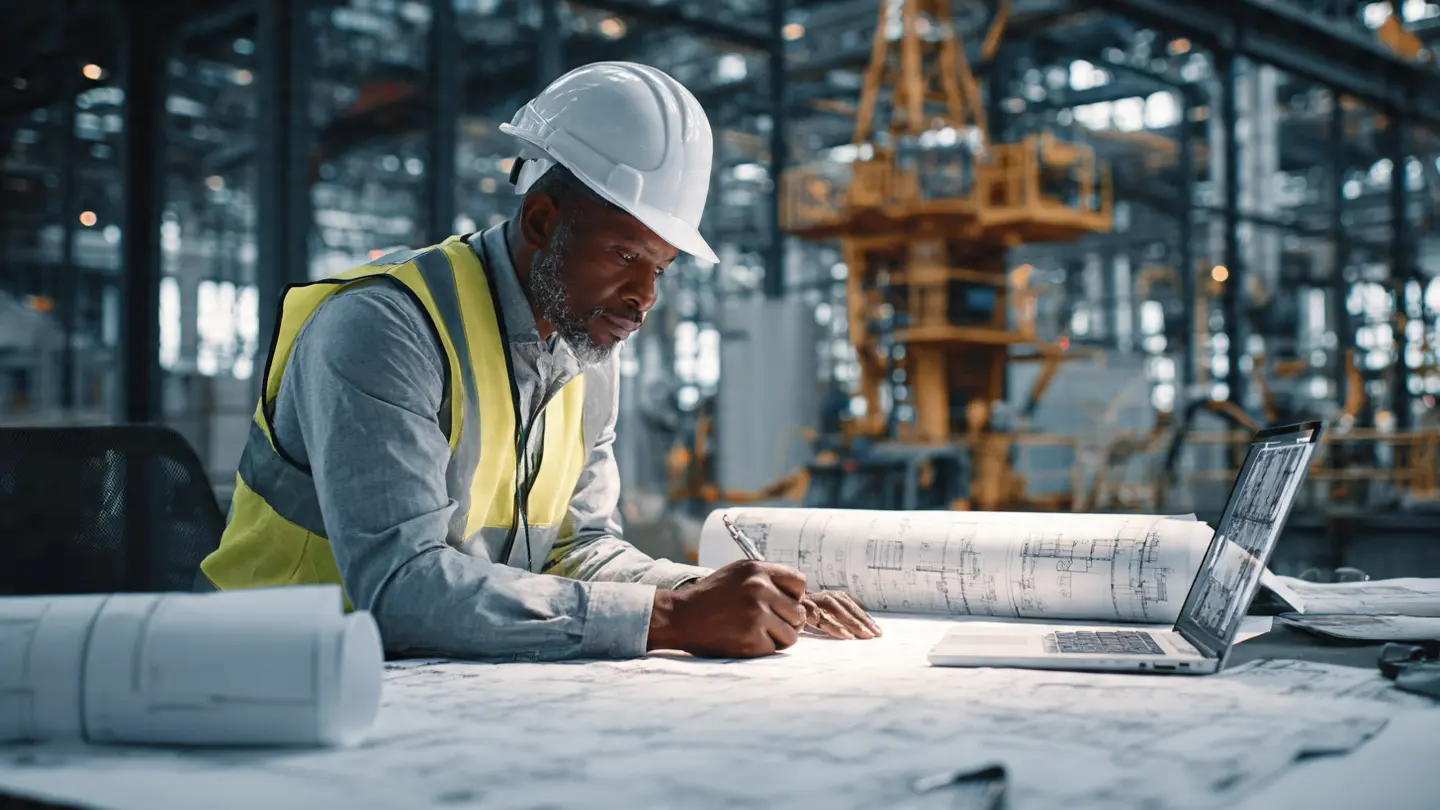
At Mass Crane Limited, our lift planning and engineering services include detailed site surveys that identify potential hazards before they become problems. We use 3D modeling for complex lifts, allowing us to visualize the entire operation and identify clearance issues, swing radius conflicts, or stability concerns that might not be obvious on paper.
2. Ground Conditions and Crane Stability
Nigeria’s diverse terrain presents unique challenges for crane operations. From the soft, waterlogged ground of the Niger Delta to the varying soil conditions across different regions, ground stability is a critical factor that demands careful attention.
Inadequate ground preparation is one of the leading causes of crane accidents worldwide. A crane’s lifting capacity is only as reliable as the ground supporting it. We’ve seen situations where cranes with adequate lifting capacity for a load have experienced dangerous tilting or settling due to poor ground conditions.
Our approach includes detailed ground bearing pressure calculations for every setup, proper use of crane mats and outrigger pads to distribute loads, soil testing when ground conditions are questionable, and continuous monitoring of crane level and stability during operations.
For particularly challenging locations, our crawler cranes offer superior performance. Their tracked undercarriage distributes weight over a much larger area, providing excellent stability on soft or uneven ground where conventional mobile cranes would struggle.
3. Weather Monitoring and Environmental Factors
Nigeria’s tropical climate means weather can change rapidly, and conditions that seem acceptable at the start of a shift can become hazardous within hours. Wind is the most critical weather factor for crane operations, but rain, lightning, and visibility also play significant roles.
Industry standards typically prohibit crane operations when wind speeds exceed certain thresholds, but these limits vary based on the load’s surface area and the crane’s configuration. A tall, light load with significant surface area becomes dangerous in much lower wind speeds than a compact, heavy load.
We equip our cranes with wind speed monitoring systems and establish clear protocols for suspending operations when conditions deteriorate. Safety always takes precedence over schedule pressure. A delayed lift is infinitely preferable to an accident caused by working in unsuitable conditions.
Additionally, we consider visibility requirements, especially for operations near other equipment or structures, and the impact of rain on ground conditions and rigging equipment integrity. Our operators are trained to recognize when environmental conditions compromise safety and are empowered to halt operations without fear of repercussion.
4. Rigging Integrity and Load Securement
The connection between the crane and the load—the rigging—is where many lifting operations fail. Proper rigging requires expertise, quality equipment, and meticulous attention to detail.
Every component of the rigging system must be inspected before use. This includes visual inspection of slings for cuts, abrasions, or deformation, verification of shackles and hardware ratings, confirmation that all rigging equipment has current certification, and ensuring proper protection at sharp edges or pinch points.
Beyond equipment condition, proper rigging technique is essential. This means accurate determination of the load’s center of gravity, appropriate sling angles to prevent overloading, correct placement of rigging points, and proper use of tag lines for load control.
Our certified riggers don’t just attach slings—they engineer the rigging configuration for each specific lift. For complex or critical lifts, we provide detailed rigging drawings that specify every component and connection point. This documentation serves as both a planning tool and a verification checklist, ensuring nothing is overlooked.
5. Communication and Coordination
Clear communication is essential when multiple people are working together to control a suspended load. Misunderstood signals or unclear instructions can lead to dangerous situations in seconds.
We establish standardized hand signals and communication protocols for every lift, ensure all personnel understand the lift plan and their specific roles, use radio communication for operations where visual signals are insufficient, and conduct pre-lift briefings with all involved personnel.
For complex lifts involving multiple cranes or phases, we designate a lift director with overall authority and responsibility for coordinating the operation. This person maintains the big picture while individual operators focus on their specific tasks.
Communication also extends to coordination with other site activities. We work closely with facility operators to ensure our lifting operations don’t conflict with other work, that appropriate areas are restricted during lifts, and that emergency response resources are aware of our activities and locations.
The Mass Crane Limited Commitment
These five considerations represent just the beginning of what goes into a safe heavy lift operation. At Mass Crane Limited, safety isn’t a checkbox exercise—it’s embedded in our culture and evident in every decision we make.
Our safety record speaks to this commitment. We maintain comprehensive HSE management systems, invest continuously in operator training and certification, conduct regular safety audits and equipment inspections, and foster a culture where anyone can stop work if they identify a safety concern.
When you partner with Mass Crane Limited, you’re not just renting equipment—you’re accessing decades of safety expertise and a team committed to bringing everyone home safely at the end of every shift.
Need expert support for your next heavy lift project? Contact Mass Crane Limited to discuss how our comprehensive approach to safety and planning can support your operations.